Science News
 American
Science News for 15 July 2023
American
Science News for 15 July 2023
Mining crystals locked in the deep-sea could help fight climate change. It may also destroy Earth's last untouched ecosystem.
Live Science - 15 Jul 2023 15:00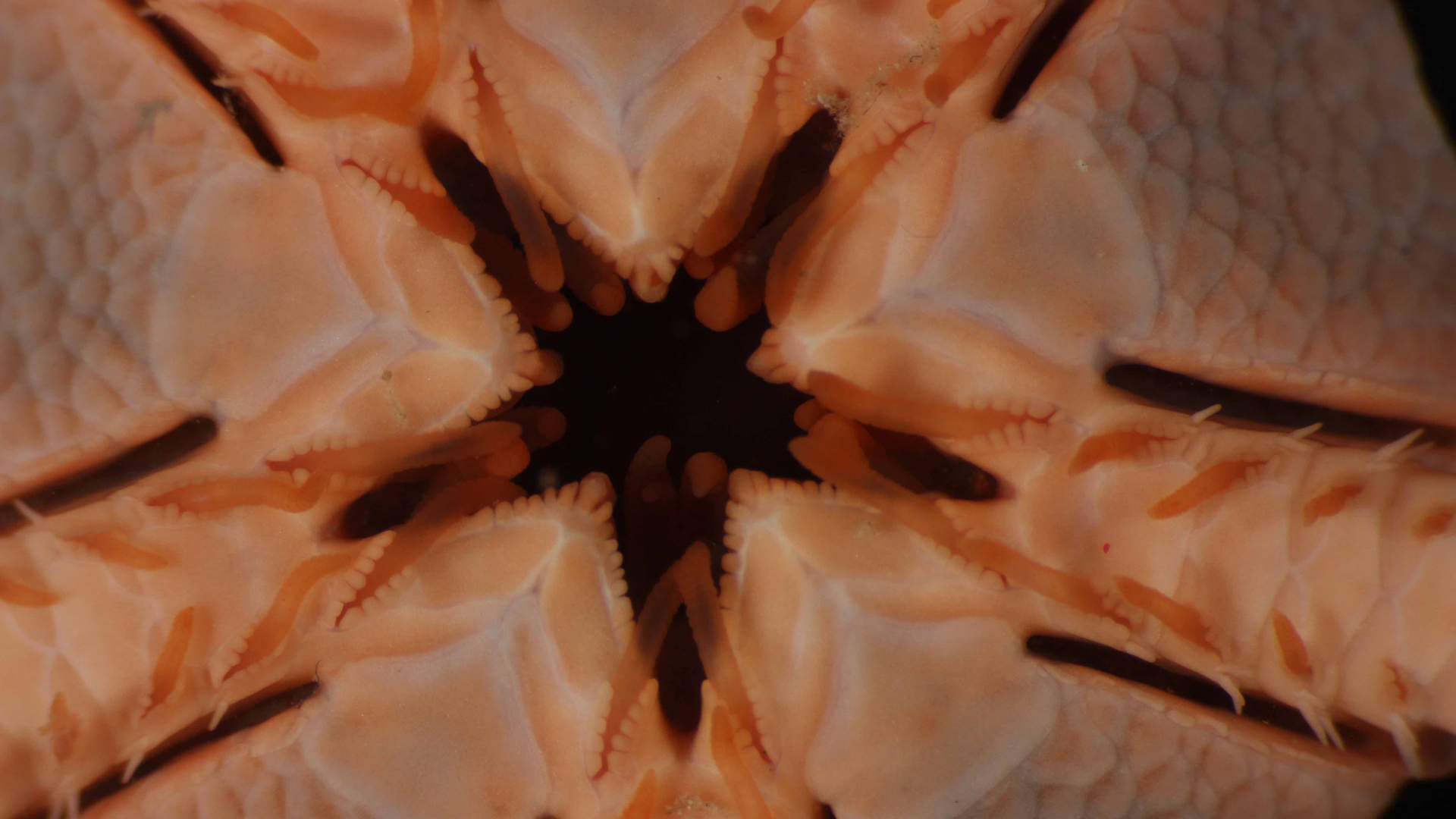 In the hunt for minerals needed in electric car batteries, some companies are turning to the deep sea. But mining this ecosystem could threaten its very existence.
Biggest-yet quasicrystal made by shaking metal beads for a week
New Scientist - 15 Jul 2023 09:00 A researcher won a bet by performing an experiment a colleague said wouldn't work. The result was the largest quasicrystal ever made
Pupil Size Regulated by Orexin, Not Stress Hormones
Neuroscience News - 15 Jul 2023 23:11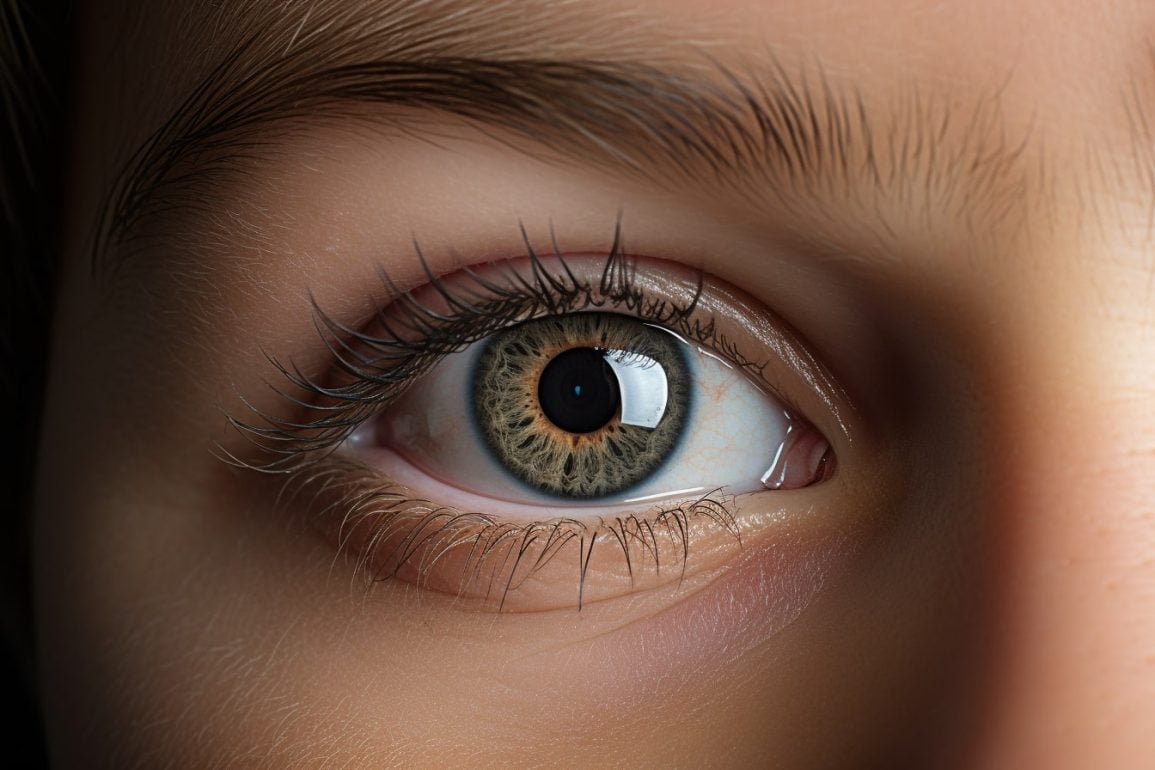 Researchers have discovered that the neurotransmitter orexin, not the stress hormone noradrenaline, regulates pupil size, challenging prior understanding. Orexin neurons affect pupil size in response to emotional states ...
This Week's Awesome Tech Stories From Around the Web (Through July 15)
Singularity Hub - 15 Jul 2023 16:00
ARTIFICIAL INTELLIGENCE My New Turing Test Would See if AI Can Make $1 Million Mustafa Suleyman | MIT Technology Review “We need something better [than the Turing Test]. Something adapted to this new phase of AI. …Wh...
8 wild stories about J. Robert Oppenheimer, the 'father of the atomic bomb'
Live Science - 15 Jul 2023 13:00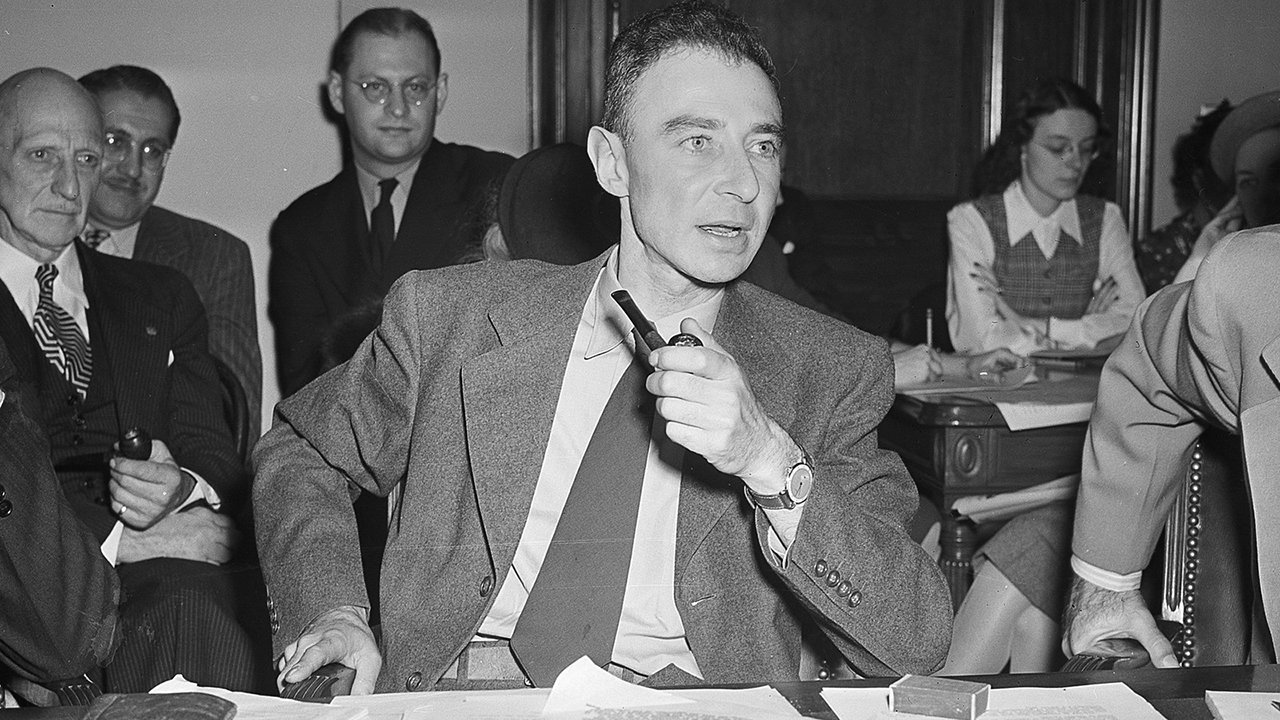 From predicting the existence of black holes to being insulted by Einstein -- J. Robert Oppenheimer led an intriguing life. Here are eight facts you didn't know about the father of the atomic bomb.
What happens if you get struck by lightning... and survive?
Live Science - 15 Jul 2023 11:00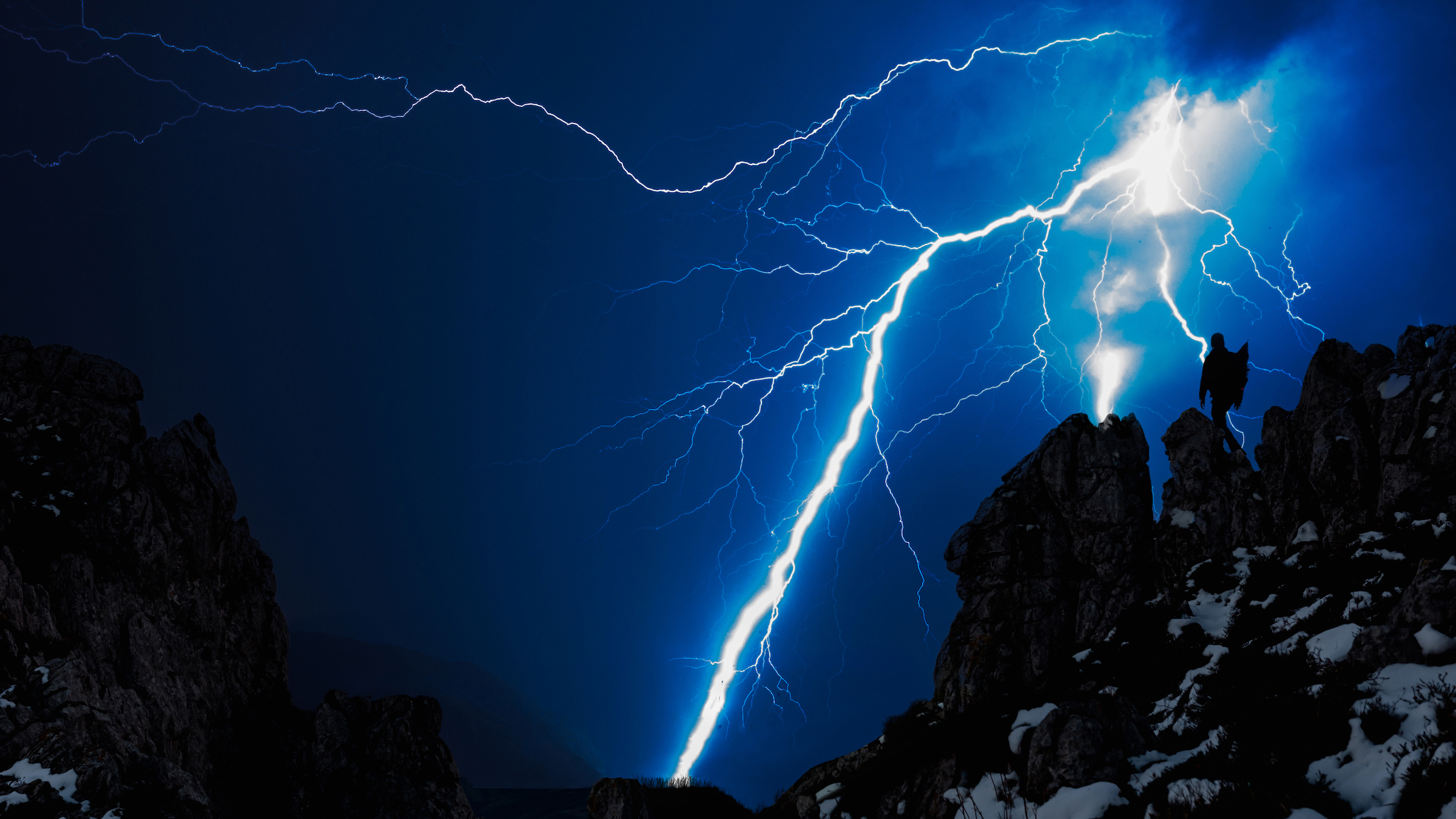 Lightning is terrifying, but it's not always deadly. Here's what it does to the human body.
World's smallest baleen whale is the last of its kind
New Scientist - 15 Jul 2023 08:30 Pygmy right whales are evolutionarily distinct and may be part of a whale family long thought to be extinct
New Dads with Prior Antidepressant Use 30x More Likely to Restart Treatment
Neuroscience News - 15 Jul 2023 00:25 New fathers with a history of antidepressant use are over 30 times more likely to require such treatment again in the first year after their child's birth. The study, which analyzed over 500,000 primary care electronic h...
 Global
 Great Britain
 Indian
 South Africa